
Share this product :
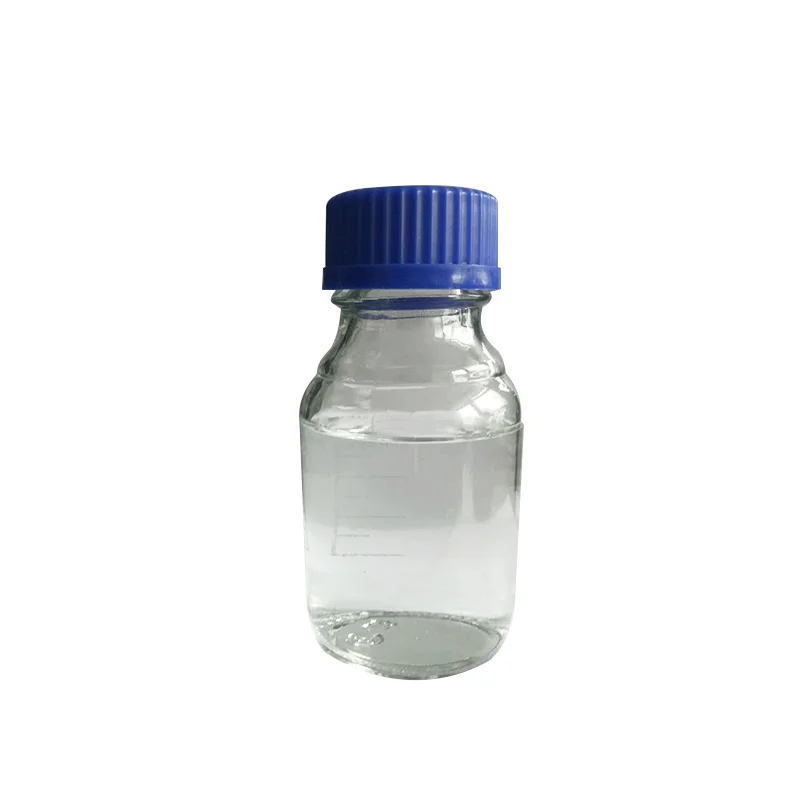
Refined Glycerine 99.7% Min USP (Malaysia Origin)
- Origin
- : Malaysia
- CAS Number
- : 56-81-5
- HS Code
- : 2905.45.00
Basic Info
- IUPAC Name
- : propane-1,2,3-triol
- Molecular Formula
- : C3H8O3
- Molecular Weight (g/mol)
- : 92.0900
- Synonyms & Trade Names
- : Glycerin; Glycerol; 1,2,3-Propanetriol; E422
- Purity / Assay (%)
- : 99.5% min
- Physical Form
- : Liquid
- Concentration
- : Pure substance
- Appearance / Color
- : Clear to slightly colored liquid
- Odor
- : Sweet
- Melting Point (°C)
- : 18.0000
- Boiling Point (°C)
- : 290
- Density (g/cm³)
- : 1.2610
- Solubility in Water
- : Miscible
- UN Number
- : Not applicable
- H-Statements
- : None
- P-Statements
- : P260
- REACH Status
- : Registered
- Drug Precursor Status
- : Non-precursor
- Storage Class (GHS)
- : 10
- Storage Conditions
- : Cool, dry place; away from oxidizers
Categories
Share this product :
Brief Overview
Refined glycerine, commonly known as glycerol or glycerin, is a basic sugar alcohol possessing three hydroxyl groups, contributing to its hygroscopic and water-soluble properties. Exhibiting a colorless, odorless, crystal-clear appearance with high boiling point and viscosity, this liquid signifies its innate sweetness and minimal toxicity. Its boiling point is 290°C, while its normal melting point is 17.8°C. The density of refined glycerine is 1.26 g/cm³. Originating from petrochemical feedstock, it finds applications across various sectors, including biodiesel production, food, medicine, cosmetics, and personal care items.
Manufacturing Process
Threshing
Removing the primary stem and any related spikelets is the first step in treating palm fruit.
Sterilization
By inhibiting oxidation and hydrolysis, steaming palm fruits helps separate the resin, gum, and kernel.
Digestion
Sterilized fruits are mechanically mixed and pounded, and then more heat is used to encourage the release of palm oil.
Pressing
To extract oil from processed fruit, hydraulic pressure extraction is used.
Oil Clarification
The oil is heated to remove impurities, and then it is filtered.
Deacidification
Free fatty acids, which are essential for avoiding oil oxidation, are eliminated using solvent extraction with methanol.
Transeferication/Saponification
Triglycerides are hydrolyzed to produce glycerol and fatty acids; refined glycerine is obtained by further refining the resulting product.
Glycerin Pretreatment
One technique used to cleanse the glycerine and fatty acid combination is distillation.
Evaporation
Complete purification of glycerine involves the evaporation of residual methanol from the deacidification process.