
Share this product :
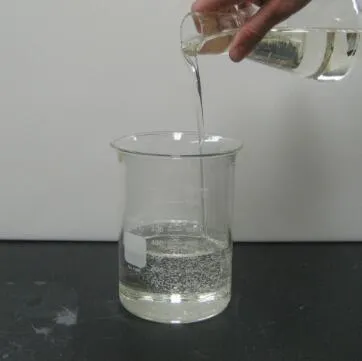
Refined Glycerine 99.7% Min USP (Indonesia Origin)
- Origin
- : Indonesia
- CAS Number
- : 56-81-5
- HS Code
- : 2905.45.00
Basic Info
- IUPAC Name
- : propane-1,2,3-triol
- Molecular Formula
- : C3H8O3
- Molecular Weight (g/mol)
- : 92.0900
- Synonyms & Trade Names
- : Glycerin; Glycerol; 1,2,3-Propanetriol; E422
- Purity / Assay (%)
- : 99.5% min
- Physical Form
- : Liquid
- Concentration
- : Pure substance
- Appearance / Color
- : Clear to slightly colored liquid
- Odor
- : Sweet
- Melting Point (°C)
- : 18.0000
- Boiling Point (°C)
- : 290
- Density (g/cm³)
- : 1.2610
- Solubility in Water
- : Miscible
- UN Number
- : Not applicable
- H-Statements
- : None
- P-Statements
- : P260
- REACH Status
- : Registered
- Drug Precursor Status
- : Non-precursor
- Storage Class (GHS)
- : 10
- Storage Conditions
- : Cool, dry place; away from oxidizers
Categories
Share this product :
Brief Overview
Refined glycerin is a water-soluble, simple straight-chain sugar alcohol with three hydroxyl groups that give it its hygroscopic qualities. It is sometimes referred to as refined glycerine or glycerol. This liquid has a high boiling point, is colorless, odorless, and transparent. It is not very poisonous and tastes good by nature. Its boiling point is 290°C, while its normal melting point is 17.8°C. The density of refined glycerine is 1.26 g/cm³. Petrochemical feedstock is the source. The low toxicity and environmental friendliness of this substance make it useful in a wide range of products, such as food, medicine, cosmetics, and personal hygiene items. This is just one more useful and adaptable byproduct of the biodiesel industry.
Manufacturing Process
Threshing
The initial stage in palm fruit treatment involves removing the main stem and associated spikelets.
Sterilization
The steaming of palm fruits aids in the separation of resin, gum, and kernel by preventing oxidation and hydrolysis.
Digestion
Mechanically mixing and pounding sterilized fruits, coupled with additional heat, facilitates the release of palm oil.
Pressing
Hydraulic pressure extraction is utilized to extract oil from processed fruit.
Oil Clarification
Hot water is introduced to the oil for contaminant removal, followed by filtration.
Deacidification
Solvent extraction using methanol eliminates free fatty acids crucial for preventing oil oxidation.
Transeferication/Saponification
Hydrolyzing triglycerides yields glycerol and fatty acids, requiring further refinement for refined glycerine.
Glycerin Pretreatment
Distillation is one method employed to purify the mixture of glycerine and fatty acids.
Evaporation
Complete purification of glycerine involves the evaporation of residual methanol from the deacidification process.