
Share this product :
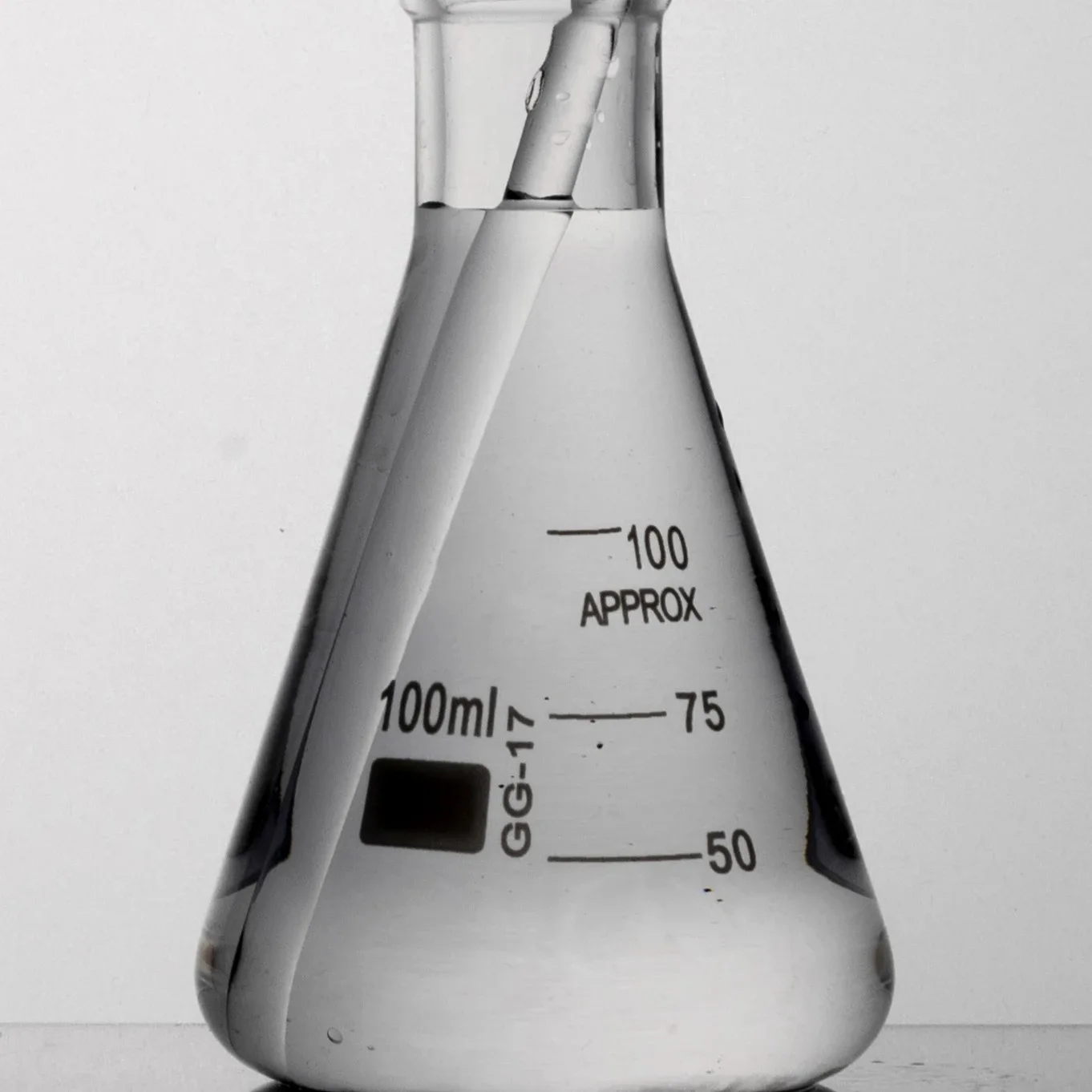
Refined Glycerine 99.7% Min (Mixed Animal Fat)
- Origin
- : Brazil
- CAS Number
- : 56-81-5
- HS Code
- : 2905.45.00
Basic Info
- IUPAC Name
- : propane-1,2,3-triol
- Molecular Formula
- : C3H8O3
- Molecular Weight (g/mol)
- : 92.0900
- Synonyms & Trade Names
- : Glycerin; Glycerol; 1,2,3-Propanetriol; E422
- Purity / Assay (%)
- : 99.5% min
- Physical Form
- : Liquid
- Concentration
- : Pure substance
- Appearance / Color
- : Clear to slightly colored liquid
- Odor
- : Sweet
- Melting Point (°C)
- : 18.0000
- Boiling Point (°C)
- : 290
- Density (g/cm³)
- : 1.2610
- Solubility in Water
- : Miscible
- UN Number
- : Not applicable
- H-Statements
- : None
- P-Statements
- : P260
- REACH Status
- : Registered
- Drug Precursor Status
- : Non-precursor
- Storage Class (GHS)
- : 10
- Storage Conditions
- : Cool, dry place; away from oxidizers
Categories
Share this product :
Brief Overview
Refined glycerine, often referred to as glycerol or glycerin, is a simple sugar alcohol with three hydroxyl groups that give it its hygroscopic and water-soluble characteristics. With a high boiling point and viscosity, this colorless, fragrance-free, crystal-clear liquid indicates its natural sweetness and minimal toxicity. Its density is 1.26 g/cm³ and it originates from petrochemical feedstock. It is utilized in several sectors, including the production of biodiesel, food, medicine, cosmetics, and personal care products.
Manufacturing Process
Recovering Animal Fats:
Animal fats obtained from slaughterhouses are processed through cooking, where elevated temperatures cause the fat to turn into a liquid state and facilitate cell rupture. Alternatively, another method involves partial heating and mechanical rupture of fat tissue to release the fat.
Degumming Process:
The degumming process for animal fats involves removing dissolved phosphatides through centrifugation. Water is added to the oil to precipitate phosphatides, forming a heavier precipitate that absorbs water. Centrifugation then separates the phosphatides from the oil phase to the water phase.
Oil Bleaching:
Bleaching is essential for removing unwanted pigments and oxidizing agents from oil that may affect the product's appearance. Charcoal or earth clay is added to absorb existing pigments. For edible oils, an additional method using chemical reactions (oxidation and reduction) may be required.
Deodorization:
Oils with adsorbed impurities undergo further treatment to remove unpleasant odors. Steam distillation is employed to eliminate volatile impurities contributing to the smell. High-pressure steam distillation at 180-250 degrees Celsius under vacuum conditions separates non-volatile animal fat from volatile impurities.
Transesterification:
Animal fat is decomposed through hydrolysis under high temperature and pressure. Water is used to break down triglyceride chains into glycerol/glycerine and fatty acid chains. Glycerine, obtained in this step, requires further refining to become refined glycerine.
Separation
The mixture of glycerine and fatty acids undergoes a series of separation processes. Distillation separates fatty acids from glycerine. The distillation column is heated to promote the evaporation of glycerol and fatty acids, with glycerine evaporating readily at a specific temperature range while fatty acid chains remain in liquid form.