
Share this product :
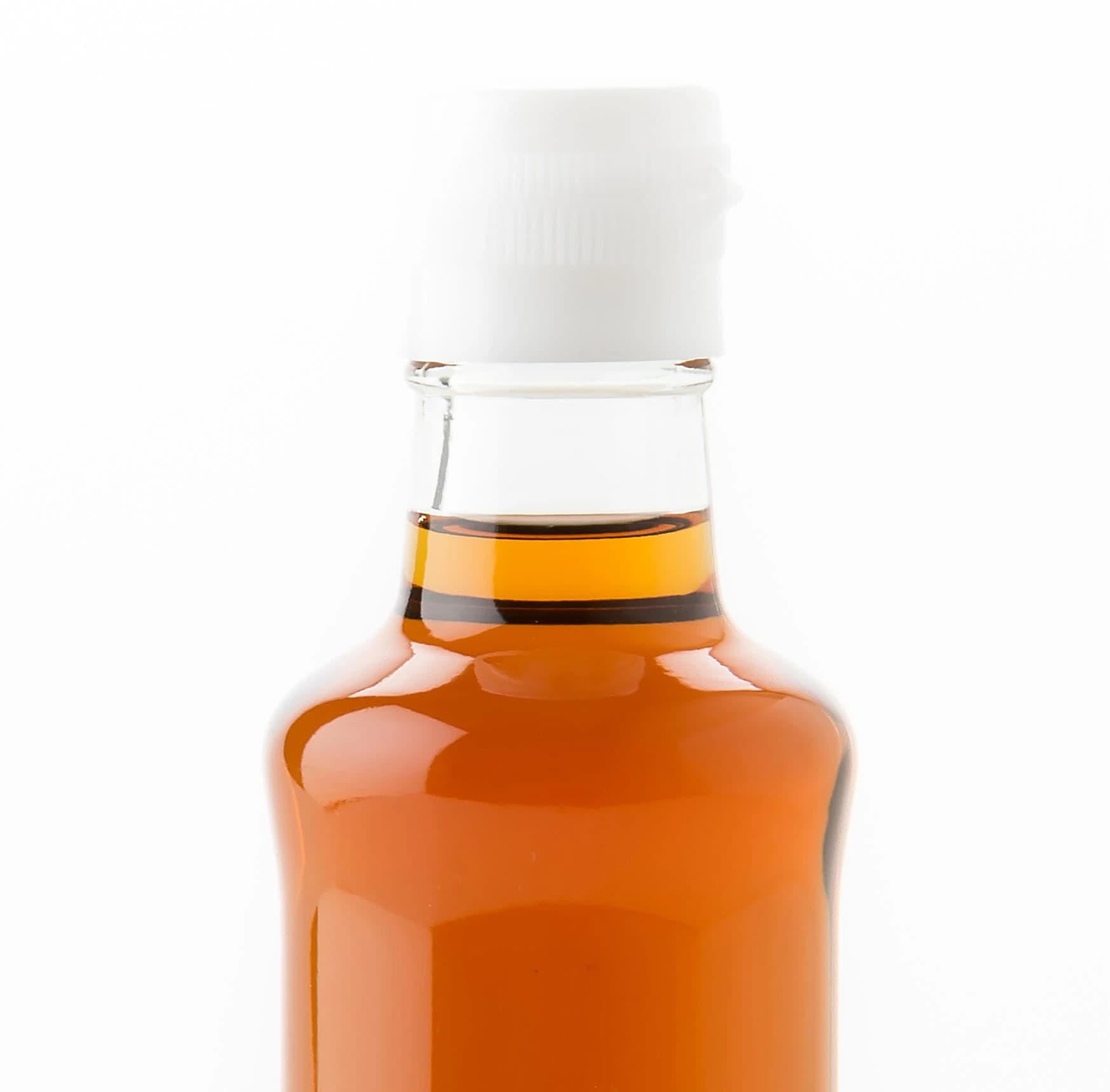
Crude Glycerine 80% Min Animal Fat Based
- Origin
- : United States, Brazil
- CAS Number
- : 56-81-5
- HS Code
- : 1520.00.00
Categories
Share this product :
Brief Overview The crude glycerine is defined by its viscous consistency, natural sweetness, and color range of light yellow to dark brown. It is derived from natural and synthetic feedstocks and is found in animal fats as well as vegetable oils and fats in the form of triglycerides. This byproduct comes from oleochemical and biodiesel production. The mandatory necessity of switching to renewable energy sources has led to a significant increase in the production of biodiesel, which in turn has increased the production of crude glycerine. The standards for crude glycerine usually ask for an 80% glycerine concentration; the remainder is made up of contaminants such water, methanol, soap, catalyst, salts, and non-glycerine organic materials. Manufacturing Process Degumming Degumming is a crucial step in refining vegetable oil, involving the centrifugal removal of phosphatides. Water is added to precipitate dissolved phosphatides, making them heavier and efficiently separated through centrifugation, eliminating impurities and enhancing oil quality. Deacidification Deacidification, a subsequent phase, uses solvent extraction to reduce free fatty acid concentration in vegetable oils. Methanol dissolves these acids, crucial for preventing oil oxidation and unpleasant odors, imperative for prolonged storage and refining. Transeferication/Saponification Following deacidification, the deacidified oil undergoes transesterification/saponification, involving hydrolysis. This process, under elevated temperature and pressure with water, breaks down triglyceride chains into glycerol/glycerine and fatty acids. This step not only makes glycerine accessible for extraction but also sets the stage for further refining.