Introduction
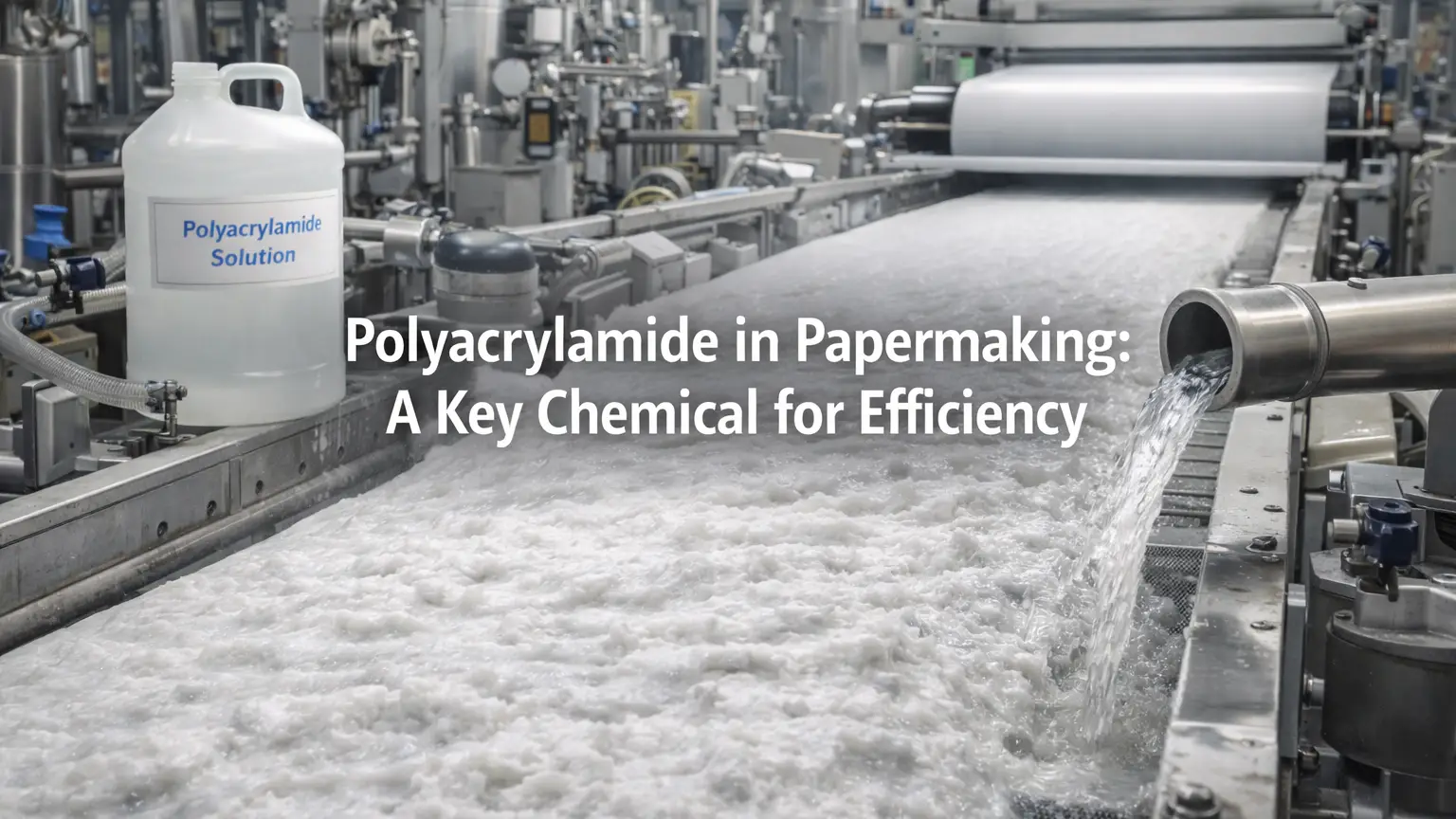
Polyacrylamide in papermaking plays a critical role in helping paper manufacturers improve efficiency, product quality, and process stability. As the global pulp and paper industry continues to exceed USD 350 billion in annual value, mills face growing pressure to run faster machines, increase recycled fiber usage, and comply with stricter environmental regulations. These challenges have made wet-end chemical optimization more important than ever.
Among modern papermaking additives, polyacrylamide, commonly referred to as PAM, stands out as one of the most versatile and performance-driven polymers. Its ability to enhance retention, drainage, formation, and paper strength has made it a core component of wet-end chemistry across packaging, tissue, printing, and specialty paper grades.
A deeper understanding of polyacrylamide chemical structure and properties allows papermaking engineers, R&D teams, and procurement professionals to select the right grade for specific machine conditions. Molecular design directly influences how PAM behaves under different pH levels, shear forces, and furnish compositions. This article examines how polyacrylamide structure translates into industrial papermaking performance and how sourcing consistent-quality PAM through trusted suppliers like Chemtradeasia supports long-term operational success.
Chemical Structure of Polyacrylamide
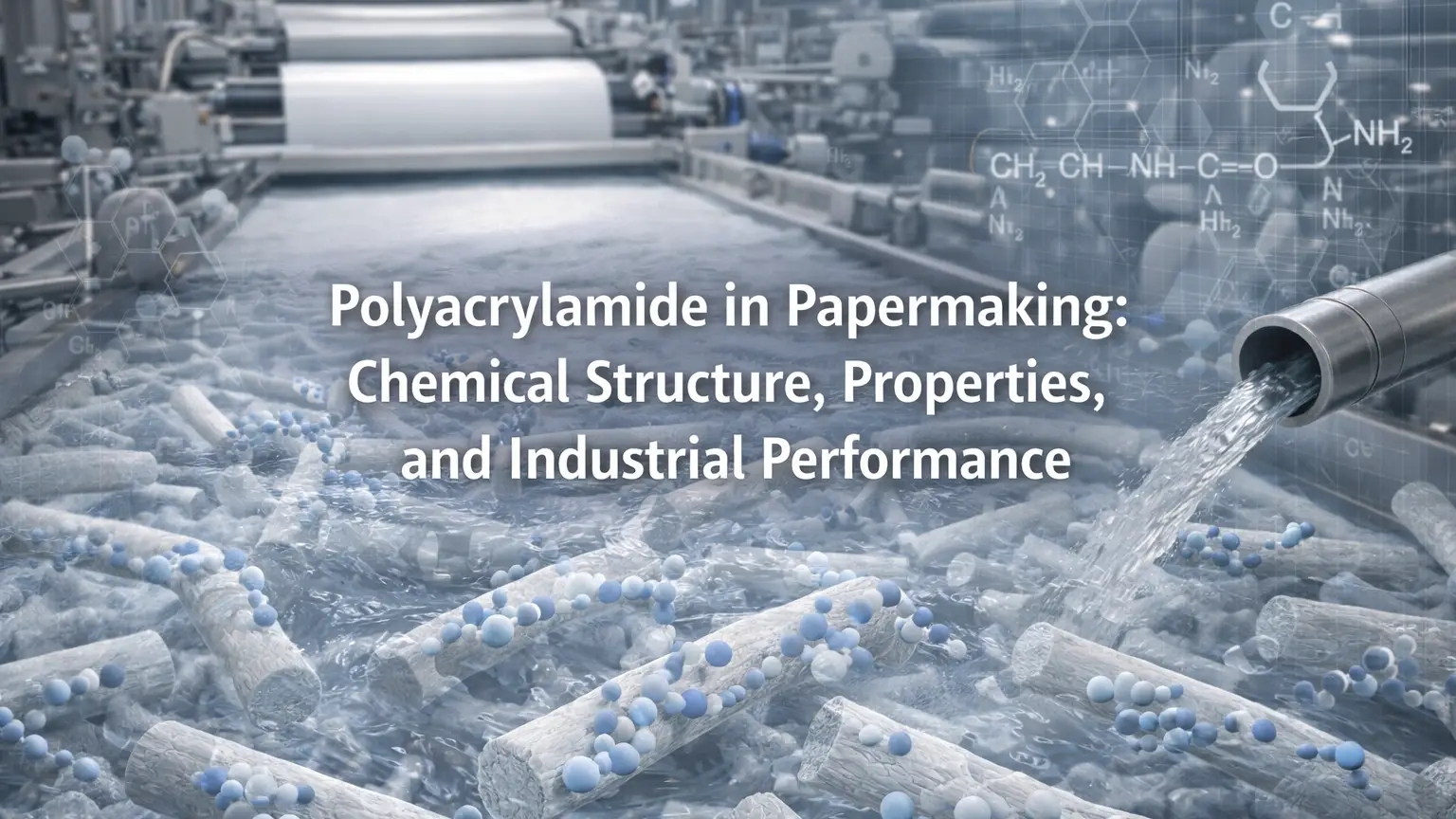
Polyacrylamide is produced through free-radical polymerization of the acrylamide monomer, with the chemical formula CH2=CHCONH2. The resulting polymer consists of a long carbon backbone with pendant amide functional groups. These amide groups are highly polar and form strong hydrogen bonds with water molecules and cellulose fibers.
This molecular arrangement explains why polyacrylamide dissolves easily in water and exhibits strong affinity toward pulp fibers, fines, and fillers. In papermaking, PAM is primarily supplied in linear polymer form because linear chains provide excellent flexibility and fiber-bridging capability. Branched structures exist but are mainly used in niche rheology applications rather than standard wet-end programs.
Unmodified polyacrylamide is non-ionic and depends on hydrogen bonding for interaction. However, papermaking systems are dominated by charged particles. To enhance performance, PAM is often chemically modified to introduce positive or negative charges, allowing electrostatic attraction to complement hydrogen bonding. This adaptability makes polyacrylamide one of the most tunable polymers in papermaking chemistry.
Molecular Weight and Its Impact on Performance
Molecular weight is one of the most influential factors affecting polyacrylamide performance in papermaking. Commercial grades range from approximately 1 million to over 30 million g/mol, with each range serving distinct operational needs.
Low molecular weight polyacrylamide is commonly applied where fiber dispersion and sheet uniformity are critical. These grades form smaller flocs and help maintain good formation, making them suitable for fine paper and specialty applications.
Medium molecular weight PAM offers a balance between flocculation strength and formation control. It is widely used in coated papers, printing grades, and mixed furnishes where moderate retention improvement is required without sacrificing surface quality.
High molecular weight polyacrylamide delivers strong fiber and fines bridging, making it highly effective in high-speed paper machines and recycled fiber systems. These grades significantly improve first-pass retention and drainage, particularly under high shear conditions. Faster dewatering reduces energy consumption in pressing and drying sections while improving machine runnability.
Selecting the correct molecular weight allows mills to optimize water removal while maintaining sheet structure and visual quality.
Ionic Forms and Charge Characteristics
Polyacrylamide is commercially available in cationic, anionic, and non-ionic forms. Each charge type is designed to interact differently with fibers, fillers, and colloidal substances present in the wet end.
Cationic polyacrylamide, often abbreviated as CPAM, contains positively charged functional groups introduced during copolymerization. Since cellulose fibers and mineral fillers typically carry negative surface charges, CPAM adsorbs efficiently onto these materials. This makes it one of the most widely used retention and drainage aids in papermaking. CPAM also contributes to dry strength development by enhancing fiber bonding during sheet consolidation. It performs well in acidic and neutral systems and remains effective in many alkaline processes used today.
Anionic polyacrylamide is produced by partially converting amide groups into carboxylate groups. This type is mainly applied in alkaline systems and dual-polymer retention programs. In papermaking, anionic PAM often works alongside cationic coagulants or microparticles to achieve controlled flocculation. It is also extensively used in wastewater treatment within paper mills to improve solids separation.
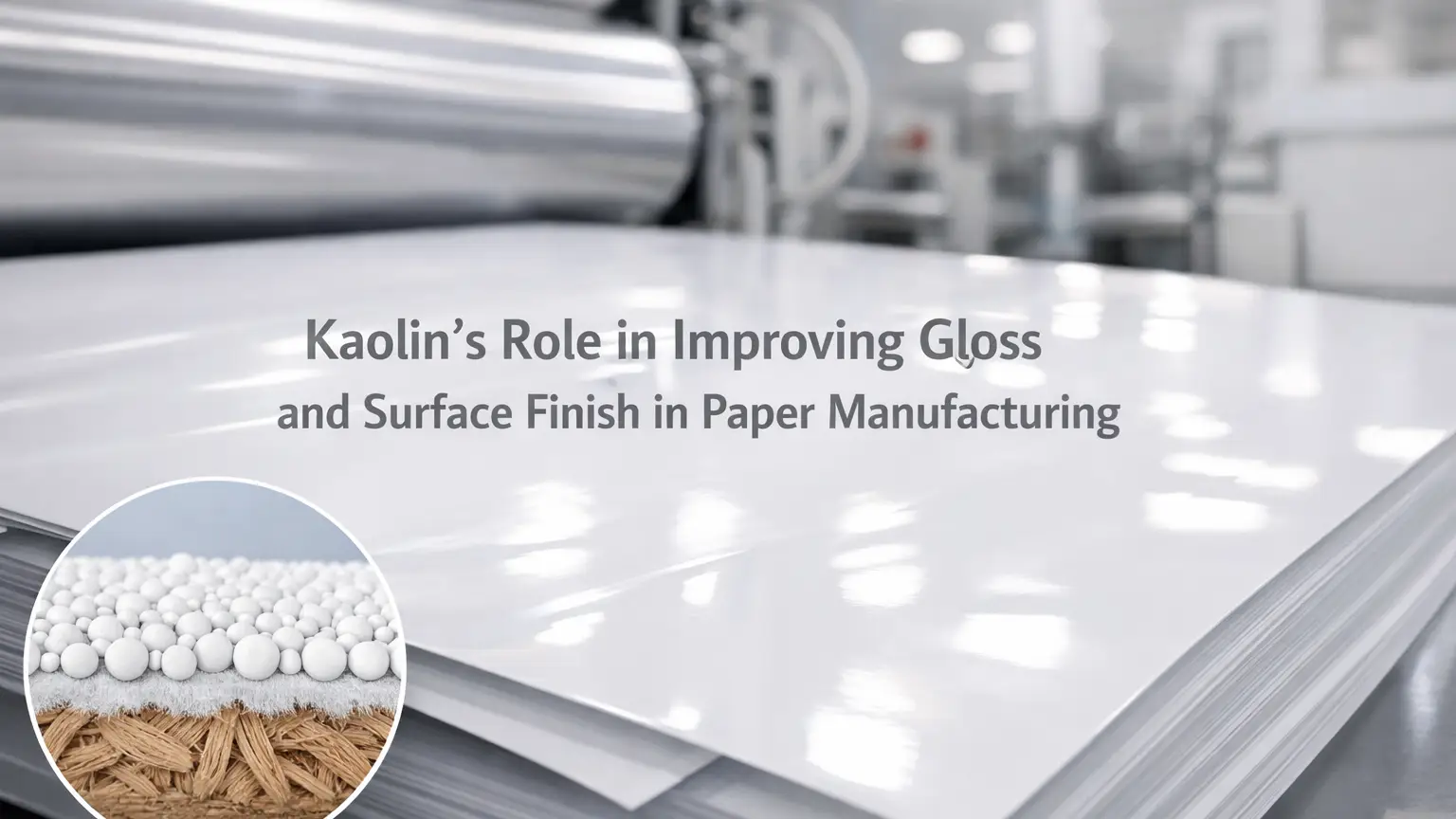
Non-ionic polyacrylamide relies on hydrogen bonding rather than electrostatic attraction. It shows stable performance across a wide pH range and is less sensitive to changes in conductivity. NPAM is commonly used in specialty grades and mineral processing applications such as kaolin slurry treatment for paper coatings.
Charge density plays a crucial role in determining floc size and stability. Lower charge density supports better formation, while higher charge density improves retention. Fine-tuning this balance is essential to prevent over-flocculation and sheet defects.
Key Physical and Chemical Properties
Polyacrylamide dissolves readily in water to form clear, high-viscosity solutions even at very low concentrations. Typical use concentrations range from 0.01 to 0.1 percent. Solution viscosity increases with molecular weight and affects pumping, dilution, and distribution efficiency in the wet end.
From a thermal perspective, PAM remains stable at temperatures commonly encountered in papermaking processes, generally up to 100°C under neutral conditions. Mechanical shear tolerance depends on polymer structure. High molecular weight linear PAM can degrade if exposed to excessive turbulence, which is why proper make-down systems, controlled mixing, and adequate aging time are essential.
Polyacrylamide is compatible with many wet-end additives, including starches, sizing agents, and fillers. However, improper charge balance can reduce effectiveness, especially when cationic PAM interacts with highly anionic systems. Continuous wet-end monitoring ensures consistent performance.
Structure and Performance in Papermaking Applications
The effectiveness of polyacrylamide in papermaking is closely tied to its molecular design. High molecular weight, moderately charged cationic PAM improves retention by binding fibers, fines, and fillers into stable flocs. Improved retention typically ranges from 20 to 50 percent, depending on furnish composition and machine conditions.
Enhanced floc structure also improves drainage by creating a more porous sheet on the forming wire. Faster water release increases machine speed and reduces energy demand in downstream drying stages.
Controlled flocculation supports better formation and runnability. Excessive floc size can lead to poor sheet uniformity, while insufficient flocculation results in material loss and unstable operation. Dual-polymer and microparticle systems help mills achieve this balance, especially on high-speed paper machines.
Polyacrylamide also contributes to paper strength by reinforcing fiber bonding during drying. This benefit is particularly valuable in packaging and board grades, where strength optimization allows mills to reduce fiber usage and improve cost efficiency.
Reliable Sourcing of Polyacrylamide for Paper Mills
Consistent polyacrylamide quality is essential for stable papermaking operations. Variations in molecular weight, charge density, or dissolution behavior can disrupt wet-end balance and reduce product quality. Paper mills benefit from working with suppliers that provide detailed technical documentation, including technical data sheets, safety data sheets, and certificates of analysis.
Chemtradeasia offers a streamlined sourcing solution by connecting paper manufacturers with verified global producers of polyacrylamide for papermaking applications. Through Chemtradeasia, mills gain access to multiple PAM grades, competitive pricing, and dependable supply chains, while minimizing procurement risk and simplifying supplier evaluation.
Conclusion
Polyacrylamide demonstrates how polymer chemistry directly influences papermaking performance. Its chemical structure, molecular weight, and ionic properties determine its effectiveness as a retention aid, drainage enhancer, strength improver, and wastewater treatment agent.
By understanding these relationships, papermaking professionals can optimize wet-end chemistry, improve machine efficiency, and maintain consistent paper quality. As recycled fiber usage and sustainability demands continue to rise, well-designed polyacrylamide formulations will remain essential to modern paper production.
Combining technical knowledge with reliable sourcing through platforms like Chemtradeasia allows paper mills to unlock the full value of polyacrylamide and remain competitive in a demanding global market.